AI-Translated from Korean · K-EnterTech Hub🇰🇷 Originally published in Korean: “스포츠방송법까지 뒤흔든 스트리밍 중계권 대전… NFL에서 올림픽·월드컵, 그리고 한국으로”
After the FCC’s official public notice (DA 26-188), 8,000 comments poured in… a broadcasting rights dispute spreading to the Olympics, NBA, and MLB, and the implications it holds for Korea
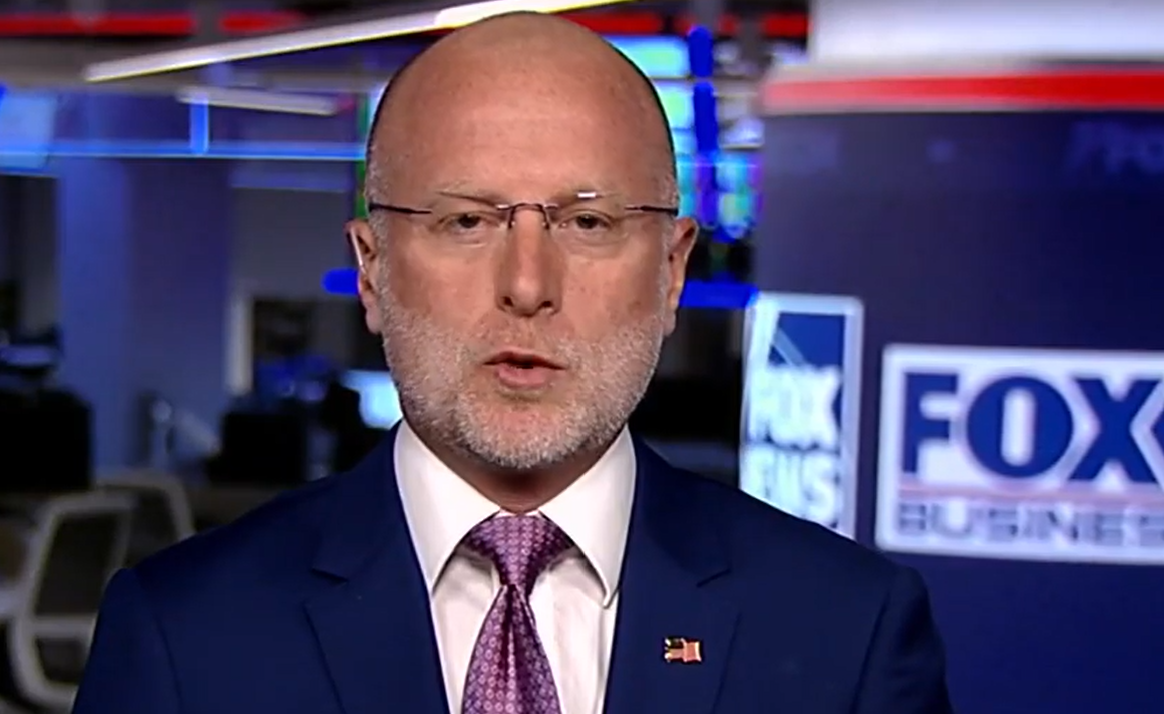
As the global sports broadcasting rights market is being reshaped around big-tech streaming, the U.S. FCC has finally drawn its sword. Chairman Brendan Carr publicly warned the NFL on a live Fox News broadcast that “if excessive concentration in streaming continues, it will be difficult to continue recognizing the antitrust exemption privilege guaranteed under the 1961 Sports Broadcasting Act (SBA).”
The Sports Broadcasting Act (SBA), which has granted professional leagues such as the NFL an antitrust exemption, has now—for the first time—been placed openly on the chopping block in the middle of the streaming transition.
This system was originally designed to exceptionally allow leagues, on the premise of free terrestrial broadcasting, to bundle and sell the game broadcast rights of individual teams together. Now, however, Congress, the FCC, and the courts in the United States have all begun reexamining at the same time whether it can still be regarded as a justified privilege in an environment where paid streaming has become the mainstream.
The overwhelming majority of the 8,000 public comments submitted to the FCC called for “keeping major games on free terrestrial television,” and in a Fox News poll (2026. 3. 20~23), 72% of sports fans expressed the same view.
As fans’ anger has exploded over the erosion of access to “national sports,” which had been preserved for decades through free terrestrial broadcasting, behind paid streaming paywalls, the FCC has entered a phase of fully reexamining the order of sports broadcasting rights.
Its ripple effects are spreading beyond the NFL to the Olympics, NBA, and MLB, and the same structural pressure is also approaching Korea’s broadcasting and streaming market. In Korea, where pay-TV broadcaster JTBC has secured exclusive rights to the Olympics and the World Cup, and where debate over “universal viewing rights” continues (whether simple coverage is what matters or whether free terrestrial broadcasting must be included), this issue can only be highly significant.
The Structural Backdrop Created by the Expansion of the Streaming Market
This conflict did not erupt overnight. It is the result of explosive growth in the global streaming market shaking up the very ecosystem of sports broadcasting rights. As of 2024, the combined global subscriber base of major streaming platforms such as Netflix, Amazon, and Disney+ surpassed 1 billion. As advertising revenue models matured, platforms entered a competition to secure premium content for “subscriber retention,” and their most powerful weapon was live sports rights. Sports is content that effectively compels real-time viewing, with almost no delayed watching, and its advertising rates are 3~5 times higher than those for ordinary dramas and variety shows.
For this reason, Netflix officially entered the sports market by exclusively broadcasting the 2025 NFL Christmas doubleheader, while Amazon is already exclusively streaming Thursday Night Football and generating hundreds of millions of dollars in annual advertising revenue. NFL rights fees, which were only $8.5 million in the 1960 AFL-ABC deal, have now surpassed $10 billion annually. Terrestrial broadcasters cannot keep up with the astronomical rights fees being poured in by big tech, and as a result, a structure has become entrenched in which major games disappear one by one behind paid streaming. Fans have ended up in a position where they must spend more than $1,500 per year and bounce among 10 services, and that is the direct pressure that moved the FCC.
Of course, this clash is not a problem unique to the United States. The same structure—from Olympic broadcasting rights disputes to streaming exclusivity in the NBA and MLB—is spreading around the world, and Korea’s broadcasting and streaming industry is not free from this wave. The larger the streaming market grows, the fiercer rights disputes become. The FCC’s move is the signal flare announcing that inflection point.
FCC Public Notice (DA 26-188): A Full Review of the Sports Broadcasting Market
On 2026년 2월 25일, the FCC’s Media Bureau officially launched a public comment process on sports broadcasting practices and market trends through “MB Docket No. 26-45.” The deadline for initial comments is 3월 27일, and the deadline for reply comments is 4월 13일. In the notice, the FCC explicitly stated that “for decades, Americans could simply turn on the TV and easily find the game they wanted on free over-the-air television, but tod
📎 Read full article on K-EnterTech Hub →
About K-EnterTech Forum · K-엔터테크포럼
K-EnterTech Forum (K-ETF, K-엔터테크포럼)은 엔터테인먼트 테크놀로지, K-콘텐츠, 한류, 미디어 정책 분야의 전문 인사이트를 제공하는 국내 대표 플랫폼입니다. K-팝·K-드라마·K-푸드·K-컬처와 AI·스트리밍·크리에이터 이코노미·방송 기술의 공진화(Co-Evolution) 전략을 연구하고, 국내외 포럼·행사를 통해 정책 및 산업 협력 의제를 이끌고 있습니다.
K-EnterTech Forum is Korea's leading platform for insights on entertainment technology, K-Content, Hallyu, and media policy — bridging Korean cultural industries with global technology trends.
고삼석 상임의장 · Chairman Samseog Ko
고삼석(Ko Samseog)은 K-EnterTech Forum 상임의장입니다. 동국대학교 첨단융합대학 석좌교수이자 국가인공지능전략위원회 분과위원으로, 30년 이상의 방송통신 정책 및 산업 경험을 바탕으로 K-콘텐츠와 글로벌 엔터테인먼트 기술의 융합을 선도하고 있습니다. 前 방송통신위원회 상임위원을 역임했으며, ZDNet Korea에 정기 칼럼을 연재 중입니다.
Samseog Ko is the founding Chairman (상임의장) of K-EnterTech Forum. He is a Distinguished Professor at Dongguk University and a member of Korea's National AI Strategy Committee. Former Commissioner of the Korea Communications Commission (KCC).
📩 familygang@naver.com | 🌐 entertechfrum.com | 고삼석 상임의장 소개 →


